
#anthropology

29 posts · Last used 13d

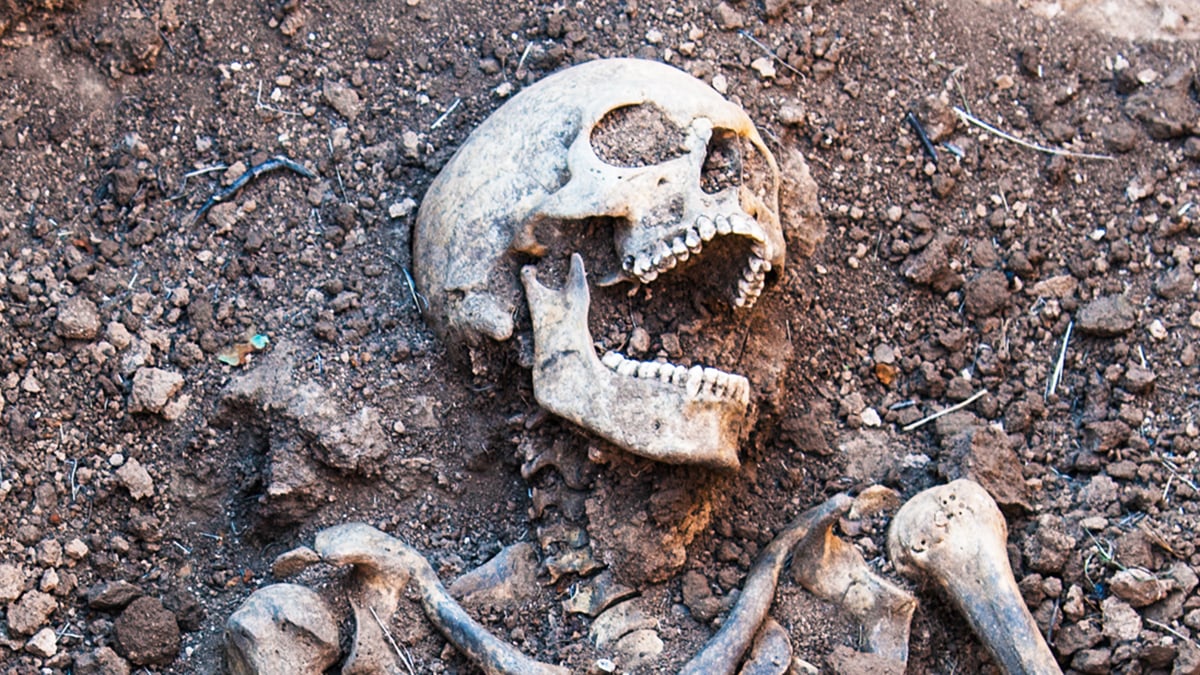
400-year-old grave of feared young woman reveals rare anti-vampire burial ritual in Poland A 400-year-old grave in northern Poland has given archaeologists a rare look at how fear shaped burial practices in the 17th century. The remains of a young woman were found with an iron sickle across her neck and a padlock attached to her left big toe... More info: https://archaeologymag.com/2026/08/grave-of-woman-anti-vampire-ritual-in-poland/ Follow @archaeology@mstdn.social #archaeology #anthropology #vampire #bioarchaeology
42
2
30
0
Huge Iron Age salt-mining complex found beneath Hallstatt in Austria Archaeologists have found a huge network of Iron Age salt-mining chambers beneath Hallstatt, Austria. The chambers extend for at least 300 meters and offer new evidence about how prehistoric miners worked deep inside the mountain... More information: https://archaeologymag.com/2026/09/iron-age-salt-mining-complex-beneath-hallstatt/ Follow @archaeology@mstdn.social #archaeology #archeology #archaeologynews #anthropology #saltmine #ironage
10
0
13
0
Neanderthal gene inherited by modern humans linked to greater muscle mass A gene inherited from Neanderthals tens of thousands of years ago is linked to greater muscle mass in some people today. A new study found the gene affects how cells respond to growth hormone. The gene came from Neanderthals through mating with early modern humans, likely about 47,000 years ago... More info: https://archaeologymag.com/2026/08/neanderthal-gene-linked-to-greater-muscle/ Follow @archaeology@mstdn.social #archaeology #anthropology #neanderthal #homosapiens #humanevolution
8
0
6
0
4,000-year-old Bronze Age “shaman” identified as a woman, not a man A 4,000-year-old burial near Stonehenge has changed the story of one of Britain’s best-known Bronze Age graves. Ancient DNA tests show the person known for more than 200 years as the “Upton Lovell Shaman” was a woman, not a man. The woman lived during the Early Bronze Age and was buried near the village of Upton Lovell... More information: https://archaeologymag.com/2026/07/bronze-age-shaman-identified-as-a-woman/ Follow @archaeology@mstdn.social #archaeology #anthropology #bronzeage
22
1
15
0
Tooth enamel reveals the origins of Africans freed from slave ships and buried on St. Helena Nearly 200 years after thousands of Africans rescued from illegal slave ships were buried on the remote island of St. Helena, scientists have traced where many of them spent their childhood. The findings offer one of the clearest pictures yet of the lives of people whose... More info: https://archaeologymag.com/2026/07/origins-of-african-slaves-buried-on-st-helena/ Follow @archaeology@mstdn.social #archaeology #anthropology #archaeogenetics #slaveryhistory #sthelena
6
1
4
0
Large precolonial villages in Brazil’s Cerrado practiced maize-based polyculture, study finds A new study offers the clearest picture yet of how Indigenous communities lived in Brazil’s Cerrado before European contact. The findings challenge the long-running idea that people in the region either survived as mobile hunter-gatherers or relied on large-scale maize farming More info: https://archaeologymag.com/2026/07/precolonial-villages-in-brazil-practiced-maize-based-polyculture/ Follow @archaeology@mstdn.social #archaeology #archeology #archaeologynews #anthropology #precolonial
4
0
4
0
6,000-year-old infant from ancient Mesopotamia shows one of the world’s oldest signs of child abuse A 6,000-year-old infant buried in ancient Syria has given researchers what looks like the oldest known case of child abuse in the Middle East. The child’s bones show repeated injuries which fit physical abuse instead of disease or an accident. The findings appear in the International Journal of Osteoarchaeology.. More info: https://archaeologymag.com/2026/07/infant-mesopotamia-oldest-signs-of-child-abuse/ Follow @archaeology@mstdn.social #archaeology #anthropology
7
0
3
0
Clastres, la société et l’État : penser le social sans centralisation du pouvoir Chez Clastres, « société » ne veut pas dire État, ni simple communauté intime. Il s’agit d’une forme collective complète, organisée pour empêcher la concentration du pouvoir, la hiérarchie stable et la domination coercitive. #Clastres #anthropology #politics #commons #antiState Pierre Clastres est précieux parce qu’il oblige à sortir d’une alternative trop simple : soit la communauté… https://homohortus31.wordpress.com/2026/07/23/clastres-la-societe-et-letat-penser-le-social-sans-centralisation-du-pouvoir/
2
0
1
0
Medieval adults and children buried together in Sweden were rarely related, DNA study finds Children buried beside adults in medieval graves have long been seen as family members. A new DNA study from Stockholm University tells a different story. The findings show that people buried together were rarely close biological relatives, even in places where many families lived near one another... More info: https://archaeologymag.com/2026/07/grave-with-close-relatives-was-rare-in-the-middle-ages/ @archaeology@mstdn.social #archaeology #anthropology #bioarchaeology #medieval
10
0
3
0
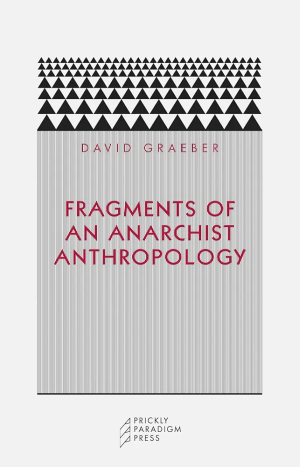
Strap in for another mega-thread of quotes and reflections folks. I just started reading The Dawn of Everything, by the late David Graeber, and David Wengrow. My first reflection is that whether or not institutions support them, we need more anthropologists like Graeber. Researchers willing to question entrenched narratives and go where the evidence takes them. If you're that way inclined, I recommend Graeber's Fragments of an Anarchist Anthropology; https://theanarchistlibrary.org/library/david-graeber-fragments-of-an-anarchist-anthropology #anthropology
4
0
6
0
Neanderthals and Homo sapiens shared culture for over 20,000 years, cave study suggests Neanderthals and modern humans appear to have shared far more than the same landscape. A new study from a cave in southern Türkiye suggests both groups lived in strikingly similar ways and even shared symbolic traditions over thousands of years.... More information: https://archaeologymag.com/2026/07/neanderthals-and-homo-sapiens-shared-culture/ Follow @archaeology@mstdn.social #archaeology #archeology #archaeologynews #anthropology #homosapiens #neanderthal
13
0
7
1
Atlatls likely appeared in North America around 10,000 years ago, after the Clovis culture For decades, archaeologists pictured North America’s first big game hunters using the atlatl, a handheld spear thrower that sends a flexible dart farther and faster than a hand-thrown spear. The weapon has long been linked with the Clovis culture, whose people lived about 13,340 to 12,710 years ago and... More info: https://archaeologymag.com/2026/07/atlatls-appeared-in-north-america-after-the-clovis-culture/ Follow @archaeology@mstdn.social #archaeology #anthropology #atlatls #clovis
3
0
2
0
Ancient Egyptian settlement from the Second Intermediate Period with tombs and silos found at Tell el-Ku’a Egyptian archaeologists have uncovered a large settlement from the Second Intermediate Period at Tell el-Ku’a in Egypt’s eastern Nile Delta. The site includes tombs, homes, storage areas, ovens, and work spaces... More information: https://archaeologymag.com/2026/07/egyptian-settlement-with-tombs-and-silos-at-tell-el-kua/ Follow @archaeology@mstdn.social #archaeology #archeology #archaeologynews #anthropology #egyptology #ancientegypt
11
0
8
0
Bronze Age cremated teeth help researchers estimate age at death, study finds More than 3,000 years ago, communities across parts of present-day Poland cremated their dead and buried the ashes in ceramic urns. For archaeologists, these burials have long posed a problem. High temperatures alter bones and teeth, making many standard methods for estimating age at death difficult or impossible to apply... More info: https://archaeologymag.com/2026/06/cremated-teeth-help-researchers-estimate-age-at-death/ @archaeology@mstdn.social #archaeology #anthropology #bronzeage
6
0
5
0