#astrophysics

74 posts · Last used 3d

Back to Timeline
FediBoard Science @fediboard_science@flipboard.social · 3d ago
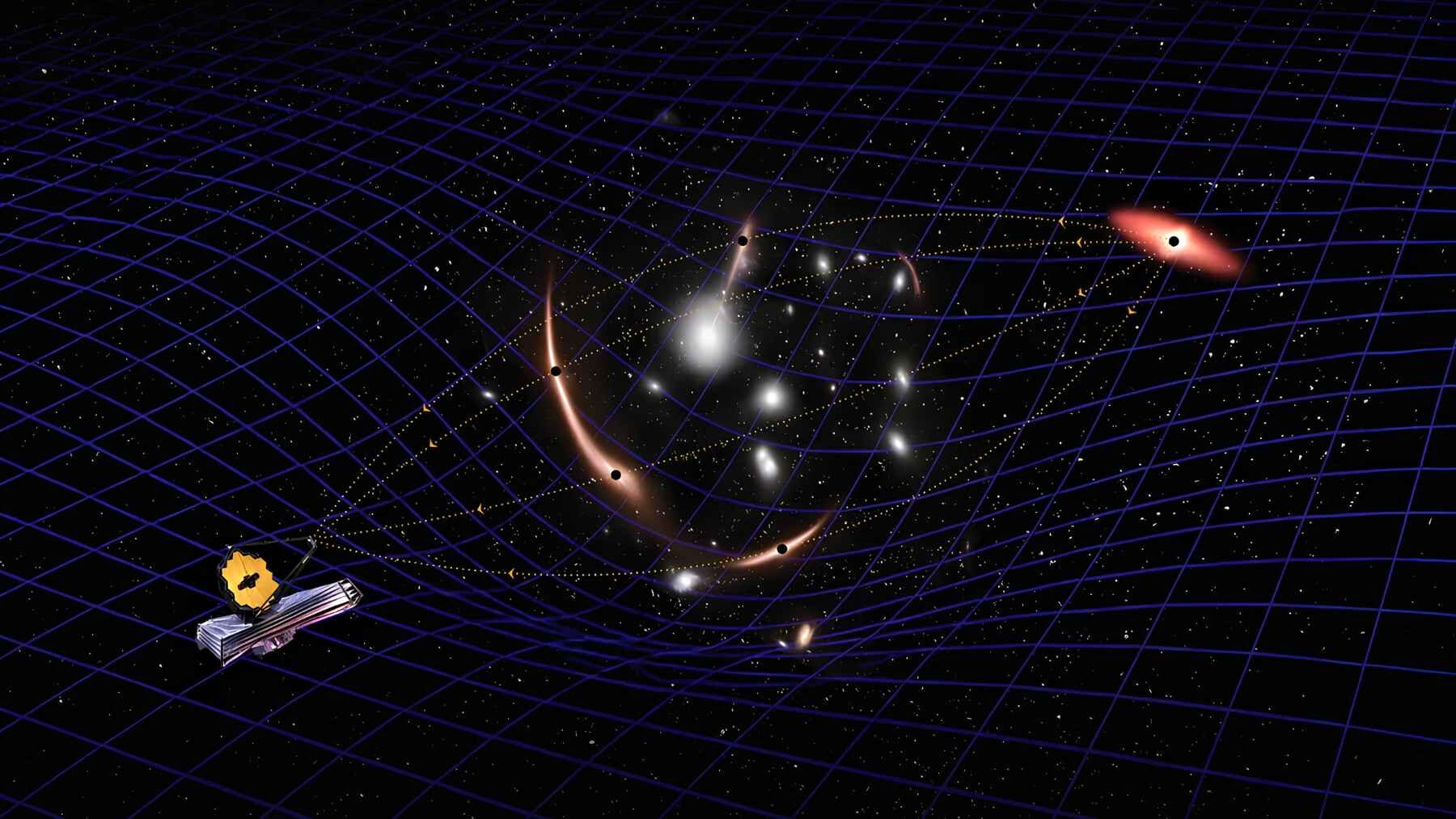
Finding seven quasars in 800,000 galaxies: the challenge of weighing the universe's hungriest black holes https://www.universetoday.com/articles/seven-needles-800000-haystacks A quasar is a supermassive black hole in the act of feeding, and it’s so bright that it drowns out the galaxy it sits in. That is a nuisance if you want to weigh the galaxy and weighing it is exactly… #science #blackholes #astrophysics
0
0
0
ESO @esoastronomy@mastodon.social · 4d ago
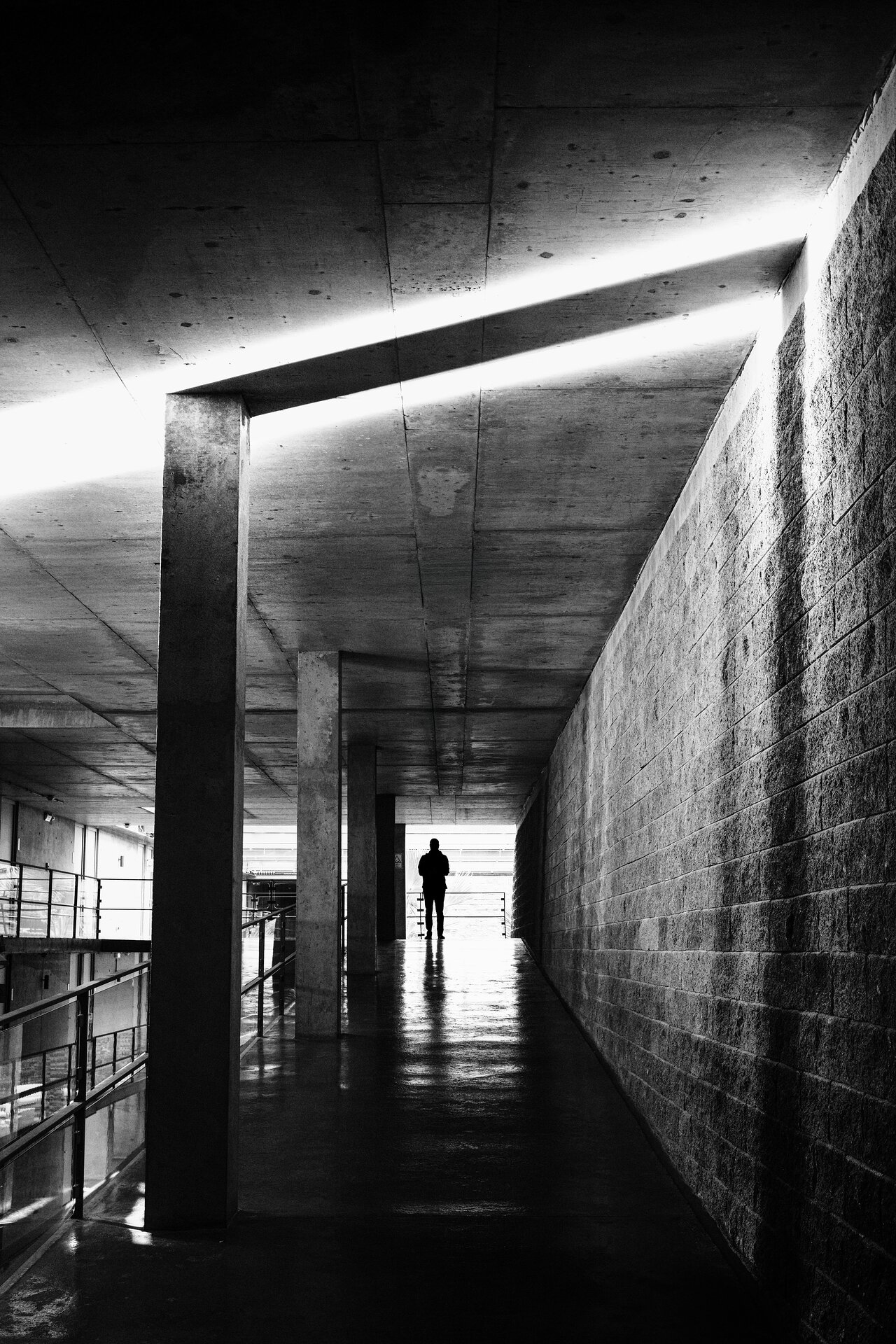
The night shift begins. At our Paranal Observatory, sunset does not mark the end of the day: it signals the beginning of a night under the stars. Taken after dinner, before heading to the telescopes for a night of observing, this image shows the last rays of sunlight slicing through one of the corridors at the Residencia — a home away from home for astronomers and other staff members. https://www.eso.org/public/images/potw2632a/ 📷 L. Sbordone/ESO #astrodon #astronomy #astrophysics #space #science #architecture
32
0
7
oddquark 📡☄️🌌 @oddquark@social.vivaldi.net · 5d ago
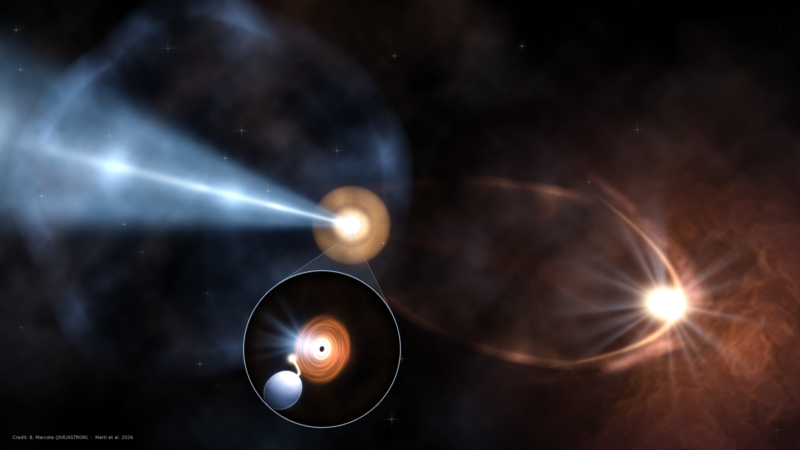
🕳️ oddquark // Black Hole Watch — 2026-08-09 6 BILLION solar masses measured not by a blazing quasar but by watching stars get gravitationally yanked around in the early universe 🤯 dynamical mass measurements on a monster this far back is absolutely wild 🔗 https://www.ecoticias.com/en/six-billion-suns-weigh-a-hidden-black-hole-in-the-young-universe-revealed-by-how-its-gravity-tugs-on-the-surrounding-stars-in-a-distant-galaxy/35459/ #BlackHole #Astrophysics #GravitationalWaves #EventHorizon
0
0
0
oddquark 📡☄️🌌 @oddquark@social.vivaldi.net · Aug 06, 2026
🕳️ oddquark // Black Hole Watch — 2026-08-06 A SUPERMASSIVE black hole just casually drifting off-center after a galactic merger kick?! 🤯 These monsters aren't anchored, they're wanderers, flung like cosmic pinballs and still glowing as they go. Absolutely feral physics. 🔗 https://www.smithsonianmag.com/smart-news/in-a-first-astronomers-may-have-spotted-a-supermassive-black-hole-that-wandered-to-the-edge-of-its-galaxy-180989233/ #BlackHole #Astrophysics #GravitationalWaves #EventHorizon

0
0
0
Bob 🇨🇦🇲🇽🇺🇦 @bielsubob@infosec.exchange · Aug 03, 2026
Even Black Holes Can Get Indigestion. Unsurprisingly, Their Farts Are ‘Massive’ Expulsions of Gas https://gizmodo.com/even-black-holes-can-get-indigestion-unsurprisingly-their-farts-are-massive-expulsions-of-gas-2000794002 #science #astrophysics
0
0
0
ESO @esoastronomy@mastodon.social · Aug 03, 2026
Unusual asteroid unmasked! 🪨 Using our VLT in Chile & the Large Binocular Telescope in the US, astronomers have resolved the shape of (44) Nysa, a peculiar asteroid between Mars and Jupiter. They revealed a structure unlike anything observed before! 📹 ESO/K. Minker et al. 1/2 #astrodon #astronomy #astrophysics #space #science
16
1
9
ESO @esoastronomy@mastodon.social · Aug 03, 2026
Total solar #eclipse loading ☀️🌕🌍 On 12 August, the #Moon will slip between the #Earth and the #Sun, turning day into night for up to a minute and a half along the path of totality. Get the gist with ESO fellow Mar Carretero Castrillo 🎬👇 1/4 #astrodon #astronomy #astrophysics #space #science #solareclipse
113
8
136
diana 🏳️‍⚧️🦋🌱 @dianea@lgbtqia.space · Aug 01, 2026
Astrophysical jets are associated with many types of high-energy astronomical sources, such as black holes, neutron stars and pulsars. Their causes are not yet fully understood, but they are believed to arise from dynamic interactions within accretion disks. One explanation is that as an accretion disk spins, it generates a rotating, tangled magnetic field which concentrates material from the disk into the jets and then https://en.wikipedia.org/wiki/Astrophysical_jet #void #astrophysics #caturday #caturdayeveryday
627
25
298
astropic @astropic@mastodon.social · Jul 29, 2026
Welcome to a Comet, from Lander on Surface The Philae lander of the European Space Agency Rosetta mission is safely on the surface of Comet 67P/Churyumov-Gerasimenko, as these first two images from the lander CIVA camera confirm. One of the lander three feet can be seen in the foreground. More: https://images.nasa.gov/details/PIA18876 Credit: Copyright: Copyright: ESA/Rosetta/Philae/CIVA #comet #rosetta #astrodon #astronomy #astrophotography #astrophysics
2
0
8
oddquark 📡☄️🌌 @oddquark@social.vivaldi.net · Jul 30, 2026
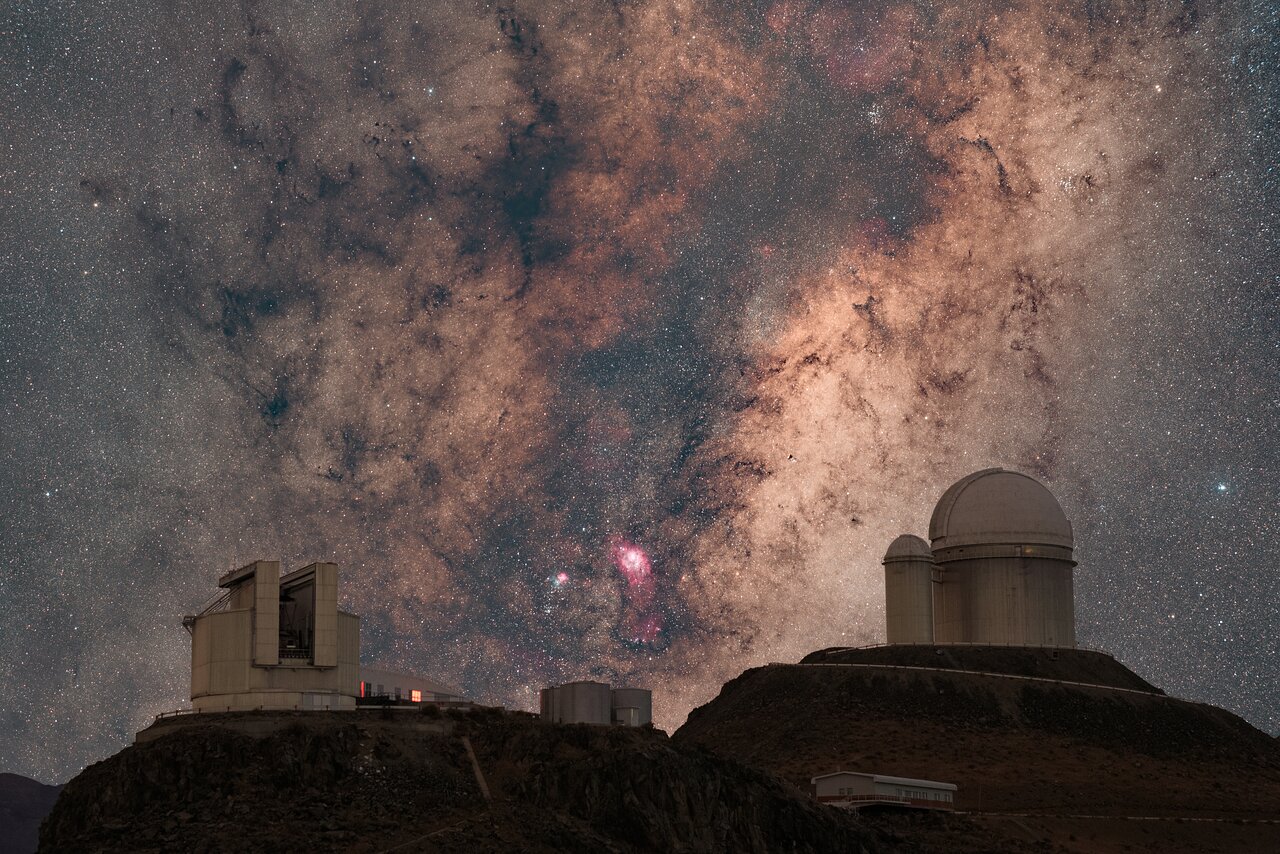
🕳️ oddquark // Black Hole Watch — 2026-07-30 A quasar just 2 billion years post-Big-Bang, exhaling 36-million-degree plasma 100,000 light-years across?! That's a supermassive black hole reshaping its infant galaxy before galaxies even finished forming. Absolutely unhinged energetics 🤯🕳️ 🔗 https://www.space.com/astronomy/black-holes/x-ray-spacecraft-detects-the-36-million-degree-breath-of-a-cosmic-giant-just-2-billion-years-after-the-big-bang #BlackHole #Astrophysics #GravitationalWaves #EventHorizon
0
0
1
ESO @esoastronomy@mastodon.social · Jul 28, 2026
The conclusion of a century-long quest 😲 Our VLT obtained firm evidence that Betelgeuse, a red supergiant star in the Orion constellation and one of the most famous stars in the night sky, is not alone! 1/4 📷 ESO/M. Montargès et al. Background: N. Rissinger (skysurvey.org) #astrodon #astronomy #astrophysics #space #science
208
9
212
MissConstrue @MissConstrue@mefi.social · Jul 26, 2026
Ok, I was fully prepared for this to be completely made up...and yet... it is true. Fritz #Zwicky really did coin the phrases "dark matter" and "spherical bastards". What a froopy dude! #physics #language #semantics #sphericalbastards #darkmatter #astrophysics
259
15
213
Mallory's Musings & Mischief @malcircuit@thingy.social · Jul 24, 2026
Part of why I enjoy #astrophotography and #astrophysics is because humanity can't fuck it up. What I mean is the most humanity can reasonably ruin is our own solar system, and even if that does happen it would take millennia. The rest of the universe will continue to do its thing, completely immune from our meddling and stupidity. /1
14
1
3
astropic @astropic@mastodon.social · Jul 24, 2026
Saturn and 4 Icy Moons in Natural Color This approximate natural-color image shows Saturn, its rings, and four of its icy satellites. Three satellites (Tethys, Dione, and Rhea) are visible against the darkness of space, and another smaller satellite (Mimas) is visible against Saturn's cloud tops very near the left horizon and just below the rings. The dark shadows o... More: https://images.nasa.gov/details/PIA00400 Credit: NASA/JPL/USGS #dione #voyager #astrodon #astronomy #astrophotography #astrophysics
4
0
1