Lúnasa (Lughnasadh), the Irish harvest festival, opens the grain harvest on August 1, the first day of autumn in the old Irish year. The weeks before it were the hungriest of the year; the day marked the turn from scarcity to plenty.
https://juniperdivination.com/what-is-lughnasadh?utm_source=mastodon&utm_medium=social&utm_campaign=what-is-lughnasadh #Lughnasadh #IrishFolklore #CelticMythology #Paganism
In Irish folk practice, whatever a person was holding when they first saw the new moon, they'd have more of by the next one. Coins in the pocket should be turned sunwise. Viewing the moon through glass was unlucky. Through the right shoulder was bad; the left shoulder was fine.
All drawn from the Dúchas Schools' Collection, folklore recorded by schoolchildren from community elders in the 1930s.
#IrishFolklore #MoonMagic #FolkMagic #Folklore
https://juniperdivination.com/new-moon-in-irish-folklore
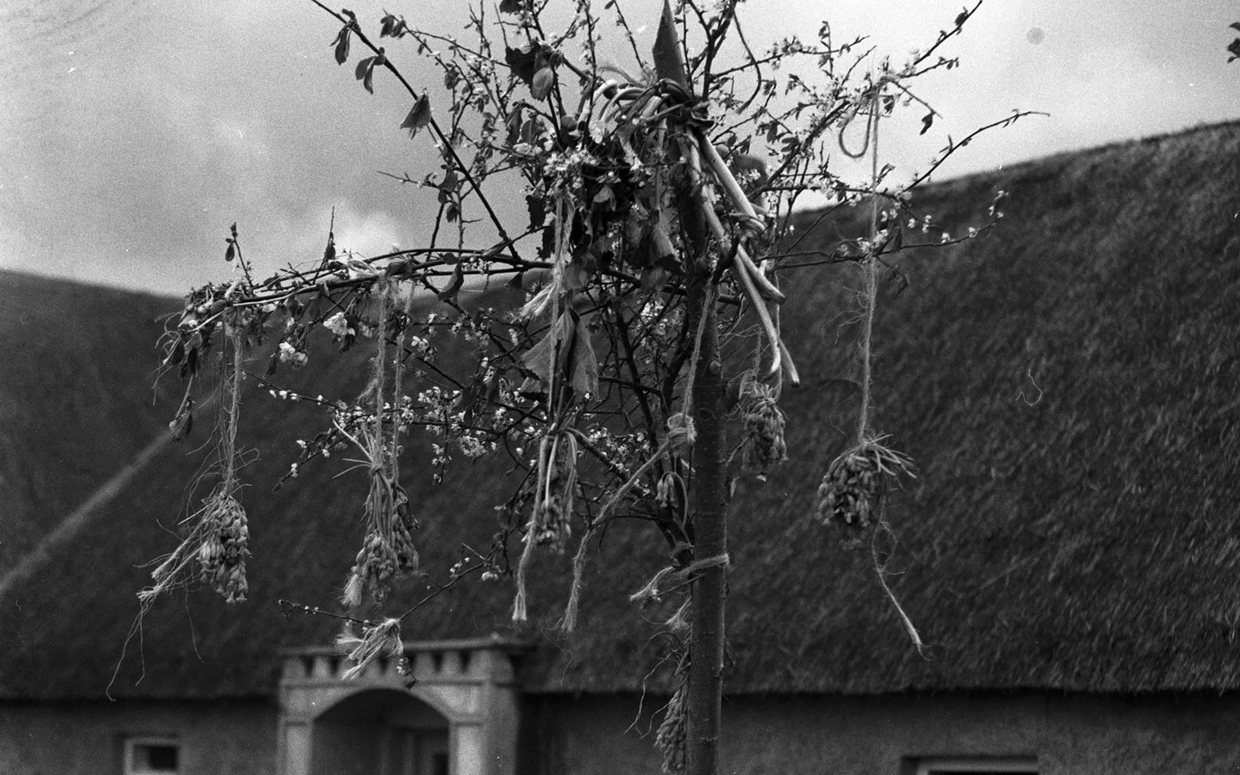
On Bealtaine eve in Ireland, primrose was scattered across doorways because fairies couldn't cross it. Butter, milk, and the household's luck were all at risk. The Good Neighbors became especially active at this time of year, and certain protections were essential.
Food and drink were left out as offerings. Doors and windowsills were lined with primrose. Cattle were watched closely.
#IrishFolklore #Bealtaine #FolkMagic #Paganism
https://juniperdivination.com/irish-bealtaine-traditions
Some Bealtaine customs trace to the 9th-century Irish record. Sanas Cormaic describes two fires and cattle driven toward them. Some came from English May Day traditions absorbed over centuries. The Green Man was coined as a term in 1939. Handfasting has Old Norse origins.
Each custom is traced to its actual source using Sanas Cormaic, Kevin Danaher, and Ronald Hutton.
#IrishFolklore #Bealtaine #Paganism #FolkHistory
https://juniperdivination.com/history-of-modern-beltane-traditions
You've seen all posts