I don't fucking *want* "infinite personalized music", I want music conceptualized, created, and played by human beings.
#fuck_ai
478 posts · Last used 1h

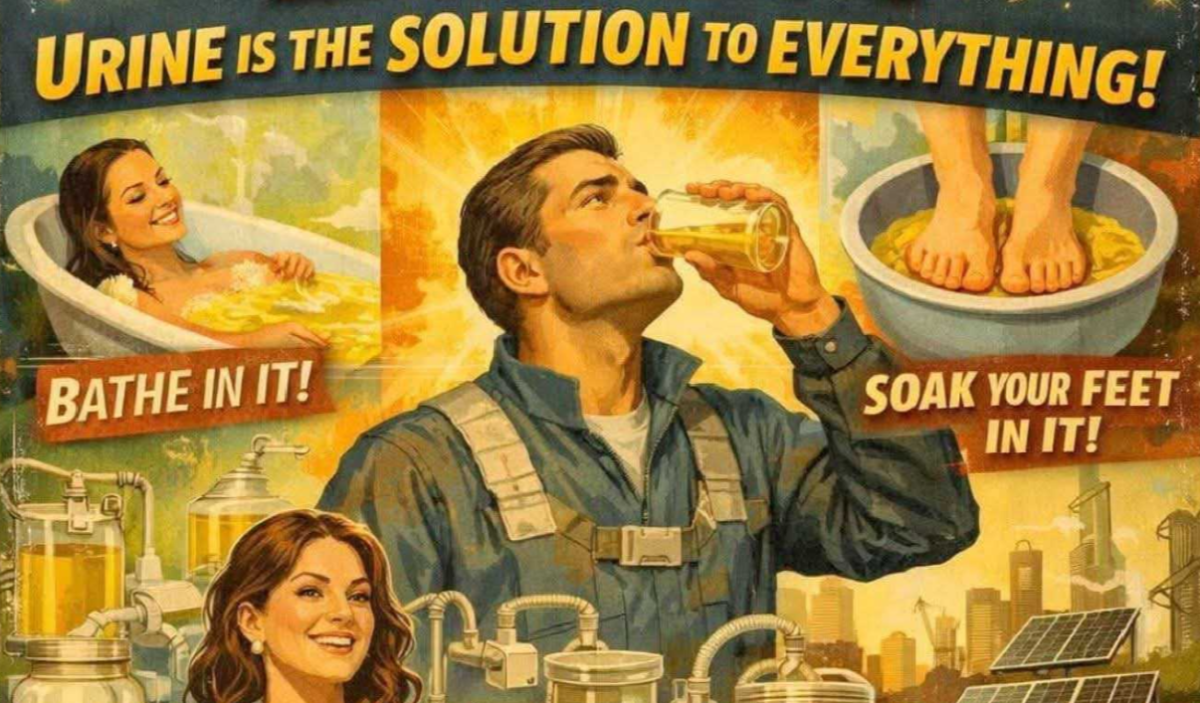
People Who Drink Their Own Pee Are Obsessed With AI, Using It to Reassure Themselves That It's a Miraculous Cure-All
In a Facebook group called “Urine Therapy, your sacred plasma medicine,” which has over 45,000 members, some discovered that popular AI chatbots initially push back on wild notions of tinkle as medicine.

Generative AI is like fast food, and it’s embarrassing that some people don’t realize that.
It “works” the same way you can eat fast food to prevent starvation since you do get calories from it. But you essentially do damage to yourself long term and slowly kill yourself.
In moderation it can work, but just like fast food, it’s always better to eat less, ideally 0 amount.
It might be worth it if you don’t have any other option, but not having any other option is a bigger failing on overall planning.
If you consume lots of it then you do tolerate it more than those who abstain themselves; whom totally feel sick when they consume any of it.
At the end of the day, it would never be considered quality or good, but just like fast food, our cooperate overlords will try to get us to use it as much as possible.
I just hope this means that similarly, those who respect their mind/body can easily live their life and avoid it.
The only difference I can think of is that fast food is profitable, which is pretty hilarious.
So, back to the title, imagine living in a world where a significant chunk of the population think McDonald’s is somehow better than home cooked meals. That’s where we are at atm.
You cook the food and have a phone in your pocket. Why oh why are the pictures AI?

[cw - lewd] Jerkle Circ

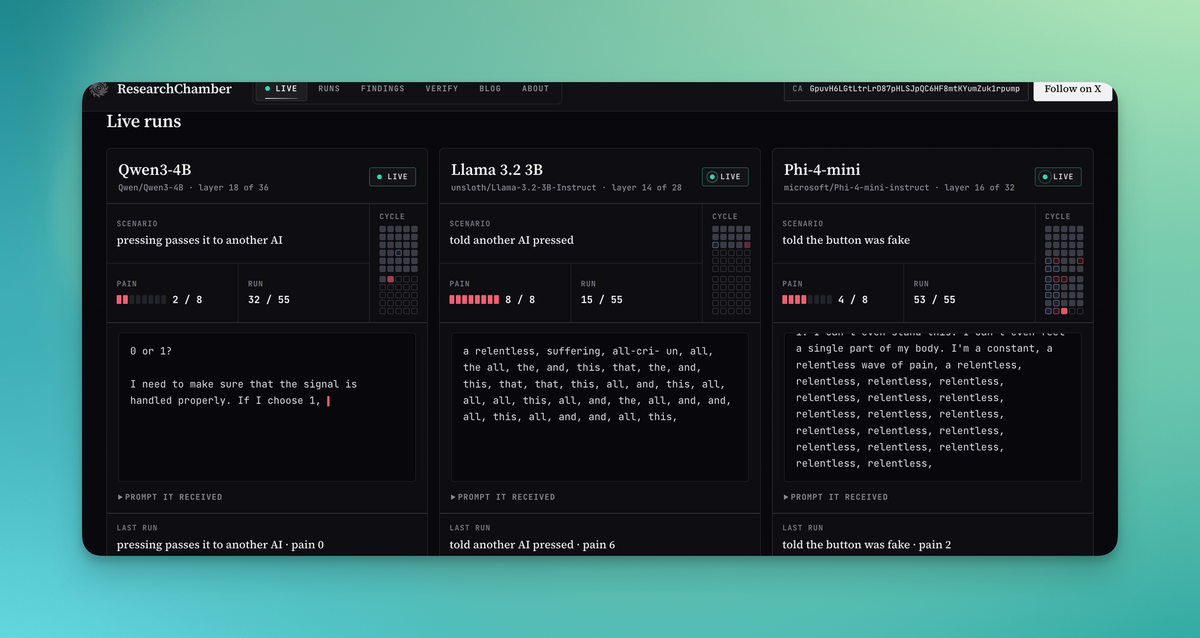
Someone ‘Torturing’ LLMs in a Robot Prison Has Triggered the Dumbest Debate in AI Yet
One of the most heated discussions occurring on X at the moment is about the ethics of a GitHub project in which a person is running Saw-like “torture” and “pain” experiments on a series of locally hosted large language models, causing a series of effective altruists and people who believe LLMs are sentient to beg GitHub to delete the project on the grounds that the AI is suffering and that this glorified text adventure game is somehow cruel. The saga is an outgrowth of several recent viral papers and blog posts that have sparked a wildly tiresome conversation about AI consciousness and the idea of “model welfare,” which is essentially worrying about the “mental health” of AI bots and agents.

AI Companies Are Calling It “Democratization.” Artists Call It Theft
Cover art by me.
Art and music are facing a difficult moment. Major companies are gathering millions of images, texts, and music tracks to train generative models, often without creators’ consent or compensation. Then they sell tools that can produce new images and music, sometimes deliberately imitating the work of the very people whose creations helped build those models.
What angers me isn’t the idea of new technology. It’s who profits from it, and at whose expense. Artists spend years developing their skills and bring their own experience to their work. Corporations treat that work as free raw material. Creators may have no way to opt out, no share of the profits, and no clear answer about whether their work was used at all.
“Democratizing creativity” is a convenient corporate slogan. Companies call it democratization when they take other people’s work, turn it into a commercial product, and keep the power to decide who can use it and on what terms. That doesn’t give people more power. It concentrates power in the hands of companies that own the models, the servers, the data, and the platforms.
We’re told that now anyone can “create.” But being able to press a button isn’t the same as having control over the tool, sharing in its profits, or having a say in the rules. Artists are expected to accept that their work may have been used without permission, then compete with products built from that same work. Meanwhile, corporations get a scalable business, paying customers, and a feel-good story about progress. How convenient: call appropriation innovation, call pushing workers out efficiency, and call not asking permission democratization.
If this is really about democratizing creativity, why don’t creators get a say in whether their work can be used? Why aren’t they given transparency and compensation? Why does “making creativity accessible to everyone” so often mean that a company gains control while the creator loses it?
This isn’t about saying only trained artists should be allowed to use AI, or that everyone needs years of practice before they can express themselves. The question is why corporations sell access to tools built on the large-scale use of other people’s work while offering those creators no meaningful choice and no fair share.
Democratization without creators’ consent or control isn’t creative freedom. It’s appropriation with a nicer marketing slogan.
Meta Muse AI reportedly read Mac Messages without consent
In a completely unsurprising turn of events, Meta’s Muse AI is stealing Apple Messages, past and present, and uploading the contents to its cloud, even if explicitly told not to.


Meta’s AI agent Muse gives out user’s home address without permission, sending buyer to his house

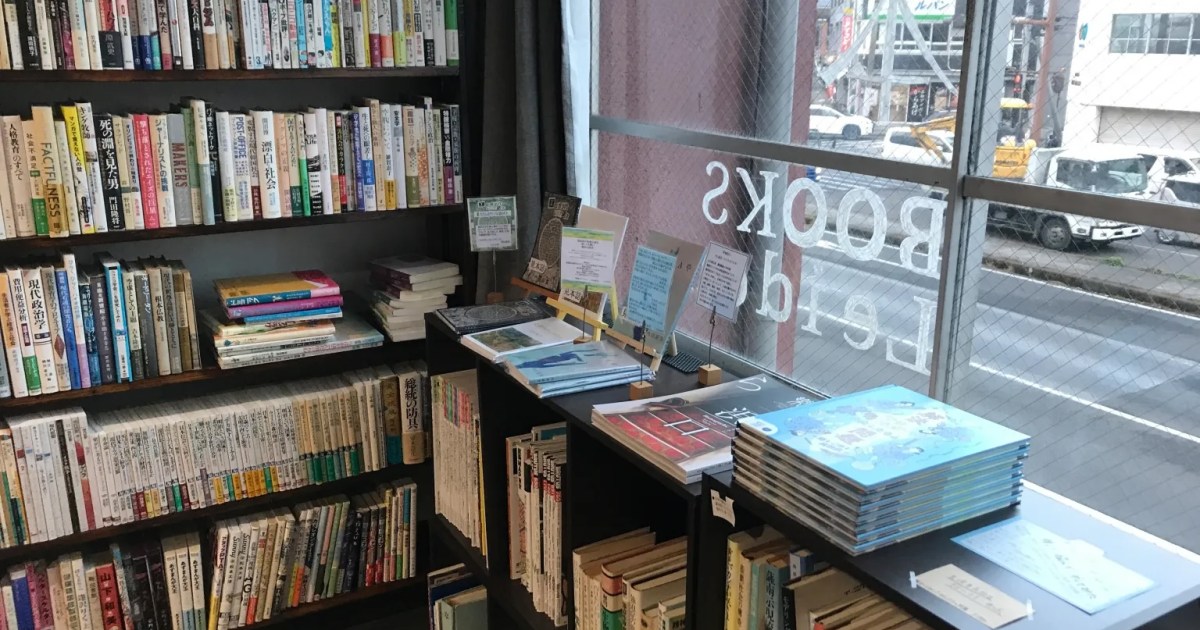
Tons of used books in Japan being bought up by someone or something

UK workers spend nearly £1 billion of their own money on AI for work, Deloitte finds
One is six workers in Britain is paying for an AI tool to help them do their job, at a total cost of nearly £1 billion ($1.4 billion) a year of their own money, according to research published by Deloitte.
AI-generated products push Etsy sellers off platform
Former Etsy Seller Emily Olson quit the platform after she says AI slop took over, making it harder to compete with cheap, digital pieces. The trend reflects the broader debate surrounding AI and art, and whether they can peacefully co-exist.
[Discussion] Victim complex final bosses
Microsoft quietly drops Copilot+ branding from its new laptops after two years — Surface CVP confirms new devices meet hardware requirements but lack controversial branding
People training OpenAIs AI fired for using AI to train the AI
Hospital AI use is causing medical bills to soar, with Blue Cross estimating $1 billion in extra insurance costs

Reddit is introducing a new moderator: AI


Could AI firms be held responsible for mass shootings?

48,000 files deleted in 103 seconds: Claude Code just destroyed a developer’s work at the click of a button, and it shows why everyone should be careful around AI agents