streetfestival
@streetfestival@lemmy.ca
lemmy.ca
Pervert glasses are here - and we're not ready
To no one’s surprise, women and girls are disproportionately targeted, making image-based abuse not just a technology issue but a gendered form of violence rooted in misogyny and power. In fact, in Laura Bates’ book “The New Age of Sexism”, she cites research that says that of the 96% of deepfakes that are non-consensual sexually explicit images, 99% of those depict women. In fact, most of the apps, bots and websites that will create deepfake explicit images don’t even work on pictures of men.
Deepfakes can be used to humiliate, silence, intimidate, or punish women for speaking publicly, participating online, or simply existing in digital spaces.
In the UK, women have reported being filmed by men wearing smart glasses while being approached in public spaces, with recordings subsequently uploaded to social media attracting sexualised and other gross comments. Similar “pickup” content has emerged in the US, where men have used smart glasses to record interactions with women in airports, gyms, and other public spaces, often turning those encounters into viral online content.
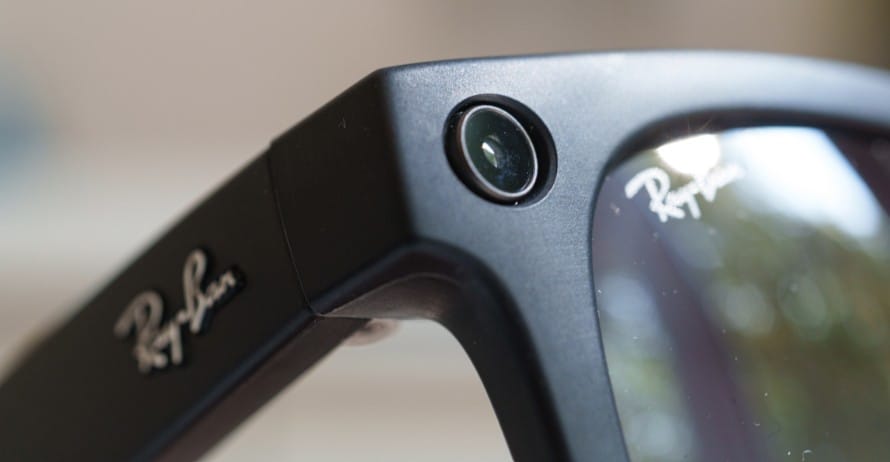
Last year, an Auckland man used the Ray-Ban Smart Glasses to covertly record a sex worker without her consent while she was naked. The recording was detected only because the woman noticed him activating the device (by touching the side of the glasses). He pleaded guilty to attempting to make an intimate visual recording, but was discharged without conviction - to the dismay of the brothel owner.
This is particularly concerning because wearable devices are designed to blend into everyday life. A child may not recognise that a pair of ordinary-looking sunglasses contains a camera. They may not realise they are being recorded, and will have little ability to control what happens to that image/footage afterwards.
Consent becomes much harder to meaningfully give or refuse when recording devices are hidden inside objects that look completely ordinary.
Too often, we’re told that women and girls should simply be more careful, more alert, and more aware of their surroundings, remain vigilant, and constantly assess whether they are being recorded, instead of placing responsibility on those who design, deploy, and profit from technologies with foreseeable risks of misuse. The same is true for children and young people, who should not need levels of technological awareness beyond their developmental capacity simply to protect themselves from covert recording.