Activity is easy. Progress is harder.
👉 https://www.martinkubler.com/the-ai-illusion-1/
 mastodon 4.7.2
Most businesses don’t need more ideas. They need clarity. 🧭 Strategy, brand & growth. Occasional rants.
Activity is easy. Progress is harder.
👉 https://www.martinkubler.com/the-ai-illusion-1/
Speed can flatten thinking. 👉 https://www.martinkubler.com/the-ai-illusion-3/
AI speeds up many forms of work, which changes more than delivery times. It also changes how people think. Quick summaries and fast conclusions create pressure to move on before ideas have been tested properly.
Depth usually comes from reflection, revision, disagreement, and time.
None of those processes move particularly fast.
Some businesses don’t have an execution problem. They have a model problem.
In hospitality especially, there are operators working incredibly hard just to maintain shrinking margins. More effort. More pressure. Same outcome.
At some point, working harder stops being a strategy. 👉
https://www.martinkubler.com/when-hospitality-stops-making-sense/
Over the past few posts, I’ve been exploring a question: What if AI isn’t just accelerating work, but also creating the illusion of progress?
I’ve looked at:
🍉 why more output ≠ more progress
🥬 how AI can create false confidence
🍒 and why speed can lead to shallow thinking
Part 1:
https://www.martinkubler.com/the-ai-illusion-1/
Part 2:
https://www.martinkubler.com/the-ai-illusion-2/
Part 3:
https://www.martinkubler.com/the-ai-illusion-3/
Has AI genuinely improved your thinking or has it just made things faster?
Scale isn’t always the goal. Community often matters more.
👉 https://www.martinkubler.com/decentralisation-silence-fediverse/
Algorithms reward noise. People need meaning. 👉 https://www.martinkubler.com/decentralisation-silence-fediverse/
Constant input leaves no room for thought.
Silence creates that room: https://www.martinkubler.com/decentralisation-silence-fediverse/
Some hospitality businesses are under pressure from all sides: Higher costs, choosier consumers, thinner margins.
Operators respond by working longer and pushing harder. In many cases, the numbers still refuse to improve. That usually points to a deeper issue than execution alone.
👉 https://www.martinkubler.com/when-hospitality-stops-making-sense/
A lot of startups don’t have an execution problem.
They have a prioritisation problem disguised as momentum.
Slack is busy, features are shipping, calendars are full - but ask the team what matters most right now and the answers often drift.
That’s usually where operational noise starts creeping in.
When priorities are unclear, teams move faster and communicate more. That creates activity, but not necessarily direction.
A lot of modern work still rewards visible activity over useful outcomes.
Fast replies. Packed calendars. Constant availability.
It creates the appearance of productivity, even when very little meaningful work is happening.
The older model measured time and presence.
The newer challenge is measuring clarity, judgment, and useful output.
On the way to a lecture on cyber risk, disinformation, AI fraud, and business leadership at SSE.
One line from the event description stood out immediately: “The threats are hybrid, and the responses must be as well.”
Feels very relevant right now.
#CyberSecurity #AI #RiskManagement #Leadership #Stockholm #TheGluttonousSloth
You can’t control uncertainty, but you can create clarity. Often, that's enough to move forward.
https://www.martinkubler.com/hospitality-2026-uncertainty/
Long hours don’t equal good work. They often just mean more tired output.
👉 https://www.martinkubler.com/slow-down-think/
Algorithms reward noise. Decentralised networks reward community.
The difference matters: https://www.martinkubler.com/decentralisation-silence-fediverse/
One of the more interesting risks around AI isn’t automation. It’s false confidence.
AI outputs often look convincing: clear structure, polished language, confident tone.
It's very easy to assume the underlying thinking is solid. Sometimes it is. Sometimes it really isn’t.
👉 https://www.martinkubler.com/the-ai-illusion-2/
Students are increasingly being told to adapt to systems they didn’t design, don’t control, and aren’t allowed to question. Eventually people push back.
@wess@theforkiverse.com @wess@theforkiverse.com
Output scales. Insight doesn’t. 👉
https://www.martinkubler.com/the-ai-illusion-1/
AI makes it easy to produce. It doesn’t guarantee progress.
https://www.martinkubler.com/the-ai-illusion-1/
The Sloth is now up & running with a private cloud server. 🖥️🔐🛁 Thanks to the folks from @portknox@mastodon.xyz - stellar service.
Immer mehr Organisationen wechseln von Microsoft Office zu #LibreOffice. Ein Wechsel kann nicht nur finanziell und sicherheitstechnisch Sinn machen, muss aber natürlich anständig geplant sein. Denkt ihr an einen Wechsel? Sprecht doch mal mit mir 🦥👩💻
👉 Österreichs Bundesheer stellt auf LibreOffice um | heise online https://share.google/Q5vYgaIlTCUCBDvTW
It took a while for all the licenses to come through, but last week, my client finally threw open the doors to the first #Currymeister branch in #Berlin . Tons more work to do, but we're off to a good start 🚀🥣🍛
Absolutely brilliant campaign from Pressbyran for #Kanelbullensdag in #Sweden . It involved creating a fictitious trade union and a convincing lobbying campaign demanding to move this year's cinnamon rolls day by one day to a weekday.
👉 Flytta kanelbullens dag https://share.google/1Tv0NNyvy4IMdaba9
#Advertising #Billboards #AdvertisingCampaigns #Creatives #MarketingGenius #PRStunt
If more effort doesn’t improve results… it’s probably not an effort problem.
https://www.martinkubler.com/when-hospitality-stops-making-sense/
One risk around AI receives less attention than automation: False confidence.
AI outputs often sound polished and structured, which makes it easy to assume the underlying thinking is solid.
Sometimes it is. Sometimes it falls apart under scrutiny.
Clear language should not replace critical thinking.
AI makes it easier than ever to produce things quickly, but it also creates a subtle trap: confusing activity with progress.
More output doesn’t automatically mean better thinking.
👉 https://www.martinkubler.com/the-ai-illusion-1/
Uncertainty isn’t a phase. It’s the environment. 👉 https://www.martinkubler.com/hospitality-2026-uncertainty/
If effort stops improving results, it’s not an effort problem. 👉
https://www.martinkubler.com/when-hospitality-stops-making-sense/
#Hospitality doesn't operate in stable conditions anymore. We operate anyway. 👉
https://www.martinkubler.com/hospitality-2026-uncertainty/
Many organisations still operate as if uncertainty is temporary, but uncertainty increasingly *is* the environment. The challenge now is not returning to stability. It’s learning how to make good decisions without complete visibility.
👉 https://www.martinkubler.com/hospitality-2026-uncertainty/
AI is exceptional at speeding things up, but speed has side effects.
Quick summaries. Quick conclusions. Quick strategies. The danger isn’t only automation, but - perhaps more importantly - it’s the gradual normalisation of shallow thinking. 👉 https://www.martinkubler.com/the-ai-illusion-3/
Clarity matters more than control. 👉 https://www.martinkubler.com/hospitality-2026-uncertainty/
Välkommen till Sveriges största mässa för HORECA-branschen! Vi ses väl där?
We’ve seen this movie before with platforms, marketplaces, and SaaS.
Subsidise adoption first. Normalise dependency second. Monetise lock-in third.
Scale isn’t always the goal. Sometimes, community is. 👉 https://www.martinkubler.com/decentralisation-silence-fediverse/
In uncertain environments, many leaders instinctively try to increase control. Yet, excessive control often slows organisations down even further. What teams usually need instead is clarity. Clear priorities. Clear communication. Clear direction.
👉 https://www.martinkubler.com/hospitality-2026-uncertainty/
Most businesses don’t have a marketing problem. They have a clarity problem.
Too many ideas.
Too many priorities.
Too many things that almost work.
Clarity means deciding what matters and what doesn’t - and then having the discipline to act on it.
That’s the space I work in.
Strategy, brand, and growth - but mostly helping things make sense again, without the noise, theatre, or overcomplication.
If that resonates, you’ll probably feel at home here: https://www.thegluttonoussloth.com
Speed is common. Thinking is rarer.
👉 https://www.martinkubler.com/slow-down-think/
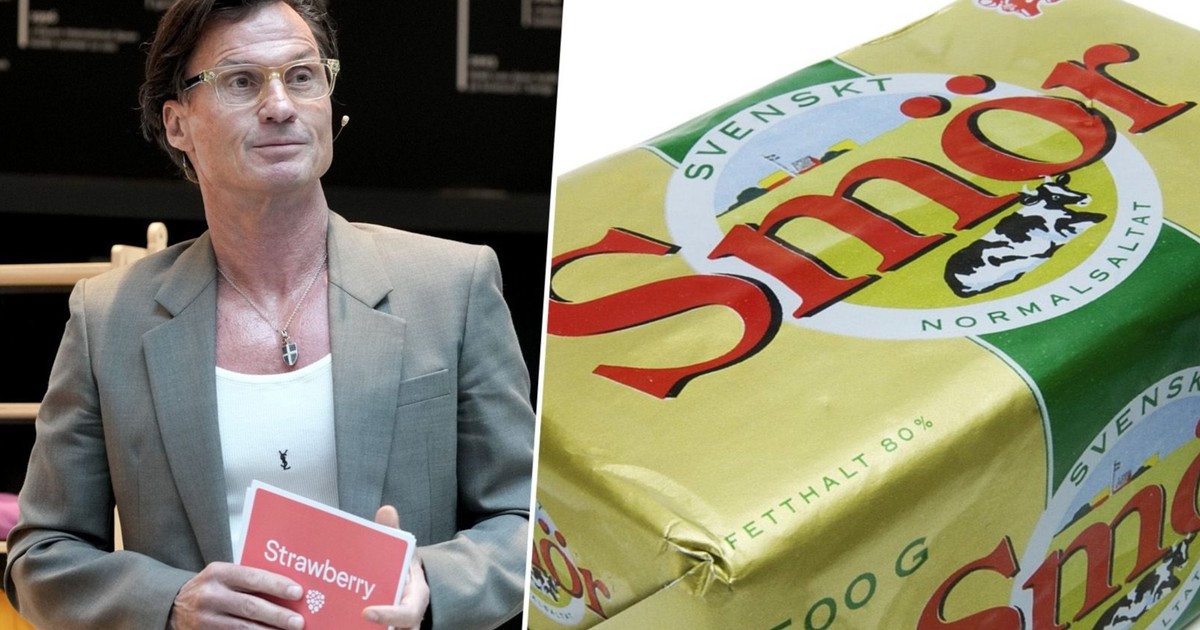
Jag gillade Strawberry Hotels förut, men jag gillar dem lite extra nu. Visst, det är mest ett ekonomiskt beslut, men som vegan klagar jag inte.
👉 Strawberry slutar med smör | ATL
https://www.atl.nu/strawberry-slutar-med-smor
You can’t control uncertainty, but you can create clarity.
👉 https://www.martinkubler.com/hospitality-2026-uncertainty/
AI clearly increases output, but the more interesting question is whether it increases insight. Producing more content faster does not automatically create more understanding. Sometimes it just creates more noise to process.
Great to partner with Amazon volunteers & Ung Företagsamhet in Stockholm! I spent yesterday fostering valuable study habits in local primary and secondary students and inspiring the next generation of entrepreneurs. Meaningful impact in action. #CorporateVolunteering #YouthEmpowerment #Stockholm
#HireTheSloth #CorporateEvents
There’s probably a fascinating leadership study hiding in how often insecurity expresses itself through monument-building.
@MostlyHarmless@thecanadian.social @MostlyHarmless@thecanadian.social
Uncertainty isn’t temporary anymore. It’s the environment.
The question is not how to avoid it, but how to work within it: https://www.martinkubler.com/hospitality-2026-uncertainty/
AI can sound convincing, but that doesn’t make it right. 👉 https://www.martinkubler.com/the-ai-illusion-2/
If effort doesn’t improve results, it’s not an effort problem. 👉 https://www.martinkubler.com/when-hospitality-stops-making-sense/
AI increases output. It doesn’t automatically increase insight. 👉
https://www.martinkubler.com/slow-down-think/